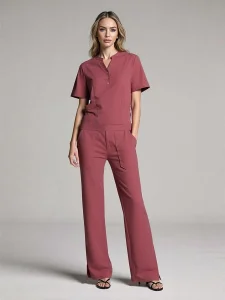
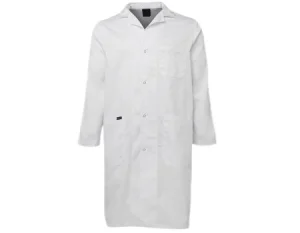
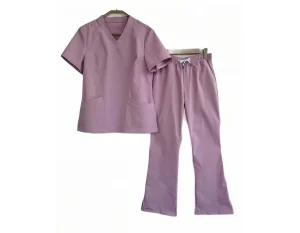
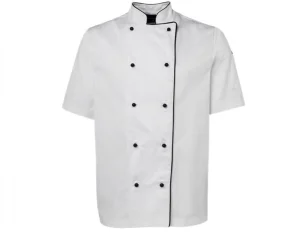
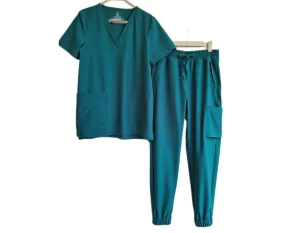
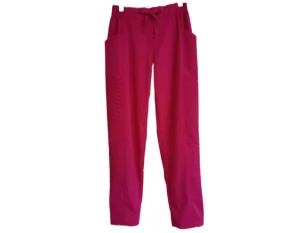
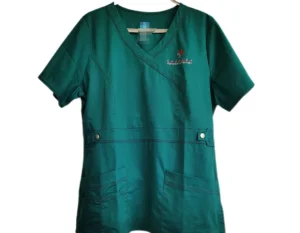
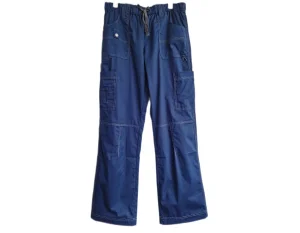
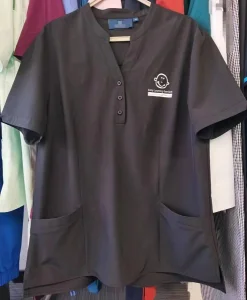
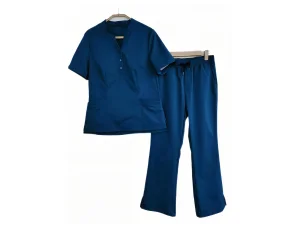
Engineered performance uniforms, clinical scrubs, and protective barrier apparel manufactured under strict quality standards for immediate international export.
An Analytical White Paper on Regulatory Alignment, Supply Chain Architecture, and Material Science in High-Barrier Isolation Systems.
In the modern clinical, manufacturing, and biochemical landscapes, the demand for high-integrity Personal Protective Equipment (PPE)—specifically long sleeve disposable gowns—has shifted from a tactical necessity to a strategic global imperative. The market is driven by rigorous multi-layered regulatory standards (such as EN 13795 and ANSI/AAMI PB70), emerging biological hazards, and the necessity to safeguard personnel in sterile and critical environments.
Historically, supply chains relied on local procurement channels, which frequently collapsed during systemic disruptions. Today, enterprise buyers, multi-national hospital groups, and high-tech manufacturing cleanrooms operate under a unified global sourcing framework. As a leading manufacturer and exporter, E-SONG Apparel facilitates a resilient, high-volume pipeline that bridges rigorous material compliance with operational scalability.
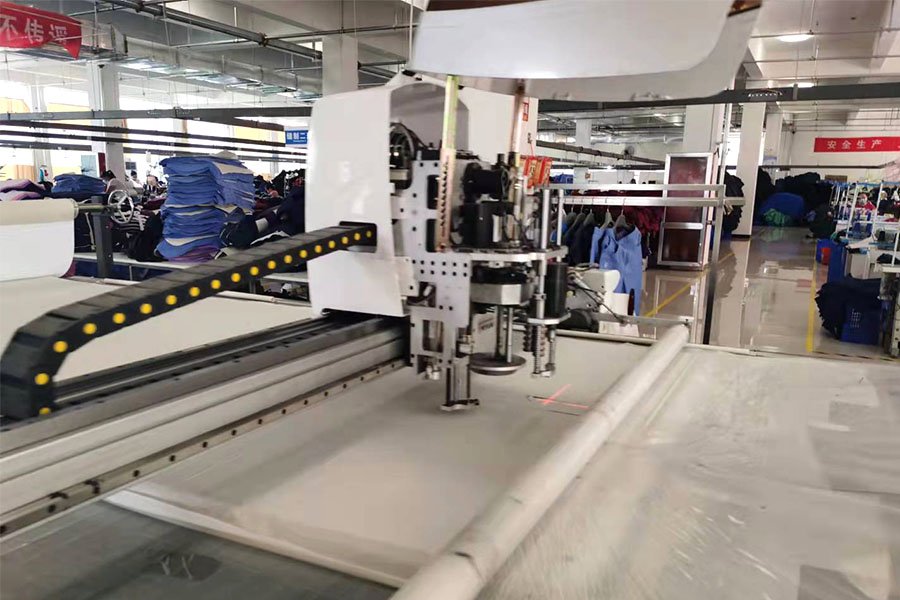
The molecular engineering behind high-performance disposable isolation barriers, outlining the structural differences that ensure fluid and viral deflection.
Constructed by sandwiching micro-fibrous meltblown polypropylene between outer layers of spunbond polypropylene. The spunbond layers provide high tensile strength and abrasion resistance, while the meltblown layers act as a high-density microbiological filter, arresting dry particulates, fluid drops, and infectious pathogens.
Designed for environments prone to high-pressure fluids and organic splashes. A micro-porous or solid polyethylene (PE) layer is thermally laminated to a non-woven backing, achieving complete fluid impermeability while maintaining a baseline rate of moisture-vapor transmission to prevent internal heat stress.
Industrial applications in electronics cleanrooms and chemical compounding demand advanced coatings. Materials are chemically treated during the extrusion process to disperse static charges (antistatic) and prevent surface tension collapse when exposed to isopropyl alcohol, sanitizers, or hydrocarbon reagents.
A direct engineering comparison of testing metrics, helping procurement officers align garment choices with localized risk matrices.
| Barrier Classification | Standard Test Method | Acceptable Barrier Limits | Typical Application Risk Profile |
|---|---|---|---|
| AAMI PB70 Level 1 | AATCC 42 (Water Impact Penetration) | Weight Gain < 4.5g | Minimal risk; basic care, standard isolation, cleanroom support, food prep. |
| AAMI PB70 Level 2 | AATCC 42 & AATCC 127 (Hydrostatic Pressure) | Impact < 1.0g; Hydrostatic > 20 cm H2O | Low risk; clinical ICU rounds, basic laboratory manipulation, light industrial assembly. |
| AAMI PB70 Level 3 | AATCC 42 & AATCC 127 (High Pressure) | Impact < 1.0g; Hydrostatic > 50 cm H2O | Moderate risk; emergency room triage, arterial blood draws, complex biochemical compound handling. |
| AAMI PB70 Level 4 | ASTM F1671 (Viral Penetration Test) | Zero Penetration of bacteriophage Phi-X174 | High risk; surgical operations, highly infectious fluid environments, pathogen research facilities. |
How disposable protective gowns with long sleeves adapt to specific operational demands in different modern industries.
In acute hospital environments, cross-contamination prevention is paramount. Gowns with elasticated or knitted long-sleeve cuffs integrate seamlessly with medical gloves, preventing skin exposure at the wrist-glove junction. This is critical during fluid-intensive emergency procedures and isolation ward management.
Modern semiconductor fabrication plants (Fabs) require absolute particle containment. Long sleeve disposable gowns made from low-linting SMS prevent human epidermal cells, hair, and dust from shedding into cleanroom environments (Class 100/ISO 5 and above), ensuring the microchips under production remain unpolluted.
When compounding active pharmaceutical ingredients (APIs) or handling volatile reagents, lab technicians use high-barrier protective gowns. The long sleeves safeguard arms from accidental micro-splashes of hazardous chemicals, while the breathable back panels keep researchers comfortable during long shifts.
Large-scale meat processing plants, industrial bakeries, and high-throughput culinary prep centers require sanitary environments. Using food-grade lightweight disposable gowns reduces organic cross-contamination between raw products, protecting final retail commodities from microbiological pathogens and maintaining compliance with safety rules like HACCP.
Integrating technical uniform engineering, scalable production logistics, and comprehensive material customizations to support global supply chains.
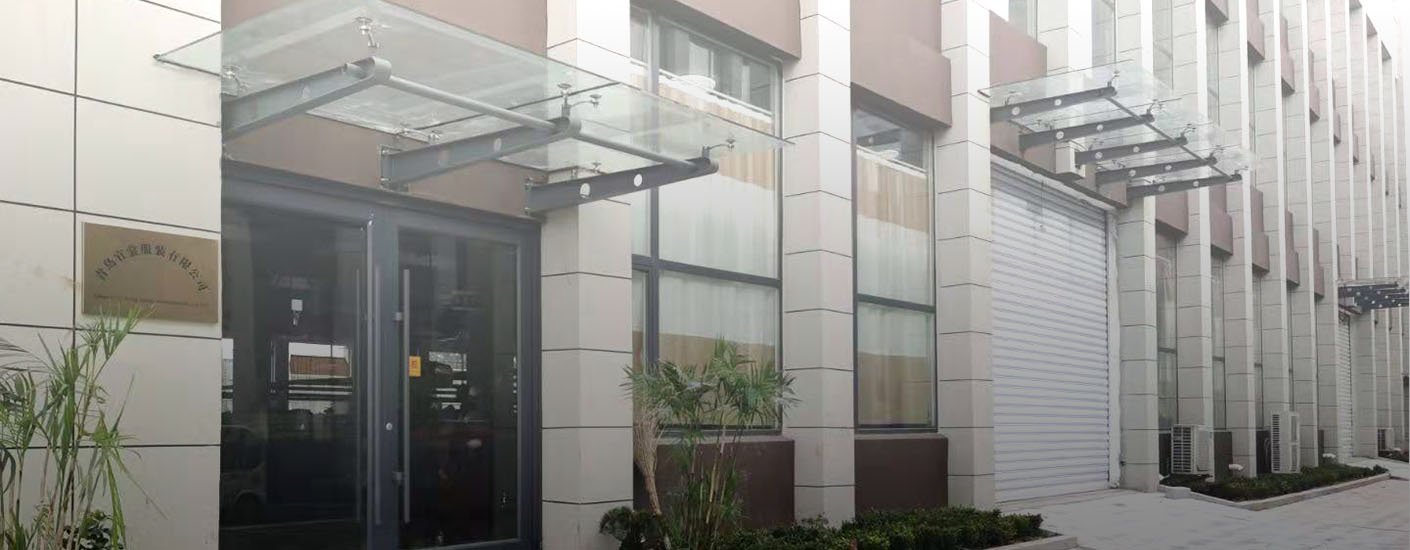
Based in Shandong province, northern China, E-SONG Apparel has established itself as an authoritative manufacturer and supplier of medical uniforms, chef uniforms, and high-performance safety apparel. Serving demanding markets in the United States and Australia, E-SONG operates an advanced production facility in Linyi City with 120 skilled workers and production lines subcontracted to two auxiliary factories.
This diversified multi-factory footprint acts as an operational safety valve. Different apparel lines are allocated to dedicated, optimized lines, which guarantees consistent quality control, minimizes production bottlenecks, and stabilizes shipping times. In the OEM and protective wear sector, this capacity allows E-SONG to deliver a robust monthly output of 300,000 units.
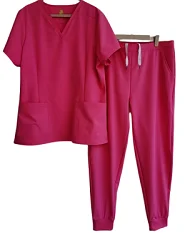
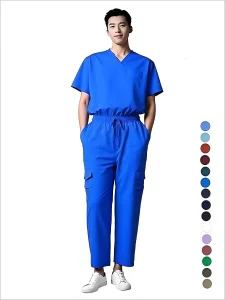
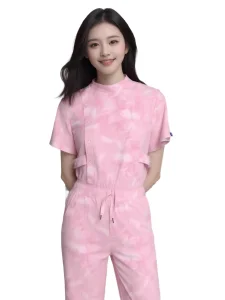
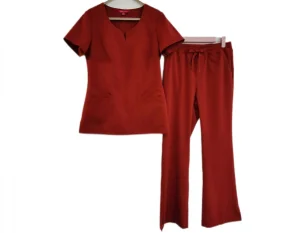
E-SONG's deep expertise in performance textiles extends directly to our medical uniform range. The factory processes diverse fabrics optimized for specific client use-cases, including:
To keep pace with the rapidly changing global market, E-SONG employs an elite product research, development, and engineering team. This focus allows us to engineer and deliver custom uniform and protective wear samples within three business days. Following sample approval, full manufacturing orders are fulfilled and dispatched within a strict window of 20 to 45 days, ensuring client supply chains remain uninterrupted. We prioritize long-term partnerships, treating garment quality as the vital life force of our company.
The evolutionary trajectory of protective apparel, highlighting bio-based polymers, circular recycling, and smart sensing technology.
To reduce the environmental impact of single-use protective wear, next-generation gowns are moving toward PLA (polylactic acid) and bio-based polypropylene. These materials decompose in industrial composting facilities within months, replacing fossil-fuel-based polymers without sacrificing fluid-barrier integrity.
Future manufacturing loops will rely on chemically recycled polyester and polypropylene fibers. E-SONG is monitoring chemical recycling developments to convert clean, post-use medical and industrial protective wear back into polymer pellets, paving the way for a fully circular supply chain.
Emerging technology is embedding micro-thin nanosensors and antimicrobial nanoparticles directly into fabric layers. These coatings neutralize viruses on contact, while integrated thermal and hydration sensors track physical fatigue in doctors and chemical handlers working in hot environments.
How global procurement directors and enterprise organizations can mitigate risk, optimize storage, and ensure continuous availability.
To prevent sudden inventory depletion, global healthcare and industrial buyers are transitioning to VMI systems. Manufacturers like E-SONG coordinate directly with client logistics interfaces to maintain pre-positioned stocks of critical gowns and clinical scrubs. This ensures immediate dispatch from local regional hubs whenever sharp spikes in demand occur.
Relying on a single factory creates a vulnerability. E-SONG's model—which combines our central facility in Linyi City with two auxiliary factories—acts as a template for supply chain security. Distributing production lines allows clients to scale output up or down rapidly, avoiding delays caused by localized labor shortages or power interruptions.
Procurement teams should require third-party lab testing for tensile strength, hydrostatic head resistance, and seam integrity. Rather than relying on simple sheets, buyers should demand batch-tested certifications that map directly to the regional standards of the target country (such as FDA approvals for the US or TGA listings for Australia).
Disposable gowns must be stored under optimal humidity and temperature conditions to prevent the degradation of protective barriers over time. Implementing vacuum-sealed, ethylene oxide (EO) sterile packaging protects raw materials from dust, oxidation, and humidity during transit across oceans, ensuring a shelf life of up to five years.
Addressing crucial technical, regulatory, and logistics queries from global procurement managers and compliance officers.
A premier OEM disposable gown exporter must possess verified clean manufacturing systems, documented compliance with international barrier regulations (such as ANSI/AAMI PB70 and EN 13795), and the ability to scale production to hundreds of thousands of units monthly. They must offer robust customization options (including knit cuffs, thumb loops, breathable back panels, and specialized seams) and maintain a reliable global supply network to ensure consistent shipping times.
SMS (Spunbond-Meltblown-Spunbond) gowns are highly breathable and comfortable, making them perfect for moderate-risk environments where dust, bacteria, and light fluid sprays are present. PE-laminated gowns have a polyethylene coating that blocks fluids completely, making them suitable for high-fluid situations (like surgical procedures or chemical handling). However, they are less breathable than SMS alternatives.
Long sleeves provide full protection for the wearer's arms. Knit or elastic cuffs secure the sleeve firmly around the wrist, preventing the garment from riding up and exposing skin. This design ensures a tight seal with protective gloves, preventing contaminants or chemicals from entering the sleeve gap.
E-SONG Apparel's design and prototyping team can deliver custom uniform and protective wear samples within 3 business days. Once the sample is approved, bulk production is completed and shipped within 20 to 45 days. This rapid turnaround is made possible by our central factory in Linyi City and our two coordinated auxiliary facilities.
Our medical uniforms are made from a range of high-quality fabrics, including TC Poplin and Twill, Poly Rayon Spandex, Poly Cotton Spandex Twill, and Poly Spandex 4-Way Stretch. This selection allows clients to match their uniform orders with the exact comfort and durability needs of their medical personnel.
High-quality garments engineered for clinical precision, heavy-duty culinary demands, and specialized industrial workflows.
 E-SONG APPAREL