The demand for high-quality OEM Medical Uniforms continues to rise in the healthcare sector. According to a recent report by Market Research Future, the global medical apparel market is projected to reach $12.8 billion by 2025, driven by the need for functional and durable workwear. As healthcare professionals prioritize comfort and hygiene, OEM Medical Uniforms become crucial to meet these needs.
Dr. Emily Hayes, an industry expert in medical textiles, believes, “Investing in OEM Medical Uniforms enhances both professionalism and safety in healthcare settings.” The choice of materials and designs can impact performance and comfort. As healthcare evolves, so does the design of medical uniforms. Manufacturers are responding by incorporating innovative fabrics and customization options.
Despite this progress, challenges remain. Many buyers struggle with sourcing reliable OEM partners who can deliver consistent quality. Additionally, the increasing variety of styles and functionalities adds complexity to the purchasing process. A reflection on these hurdles is vital for buyers aiming to make informed decisions. With careful consideration, global buyers can find the best OEM Medical Uniforms tailored to their specific needs.
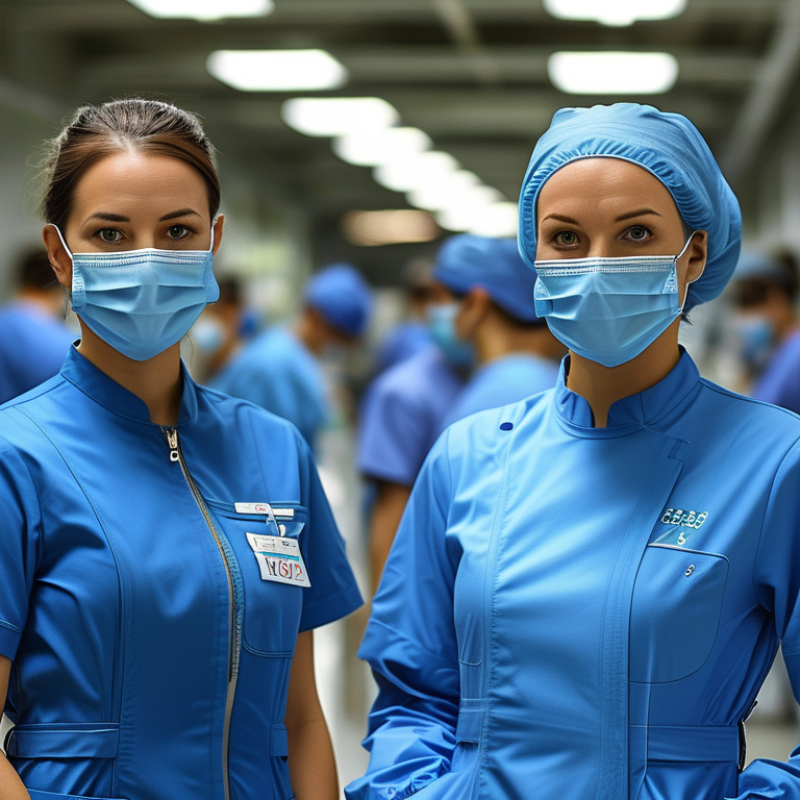
2026 Market Trends for OEM Medical Uniforms in Global Healthcare Sector
The global healthcare sector is evolving, and with it, the demand for high-quality OEM medical uniforms is increasing. According to a report by Grand View Research, the medical uniforms market is projected to reach USD 12.6 billion by 2026, growing at a CAGR of 4.5%. This growth underscores the need for manufacturers to adapt to the unique requirements of healthcare professionals who require durable, comfortable, and functional attire.
Sustainability is becoming a significant trend in this industry. Research from Allied Market Research reveals that around 30% of healthcare buyers are prioritizing eco-friendly materials in their procurement processes. This shift presents an opportunity for OEM suppliers to innovate and develop greener production methods while addressing the changing preferences of healthcare workers. However, many manufacturers may still rely on traditional fabrics and processes, risking stagnation in a rapidly advancing market.
Moreover, customization is gaining traction among healthcare institutions. A recent survey indicated that nearly 45% of healthcare workers prefer tailored uniforms for better fit and functionality. This demand for personalization is a challenge for OEM manufacturers, as it requires agility and responsiveness. Balancing these demands with cost-effectiveness and operational efficiency remains a critical hurdle that needs reflective consideration.
2026 Market Trends for OEM Medical Uniforms in Global Healthcare Sector
Key Factors Influencing OEM Medical Uniforms Manufacturing Costs in 2026
In the realm of OEM medical uniforms manufacturing, several key factors influence costs in 2026. The raw materials are a primary concern. Fabric quality and availability can affect pricing. For instance, high-quality cotton or specialized antimicrobial fabrics can drive up expenses. According to industry reports, material costs account for nearly 45% of the total production budget.
Labor costs present another significant factor. In regions where labor is highly skilled and demand is high, wages could increase production costs by 20%. In contrast, companies in areas with lower labor costs may produce uniforms at a fraction of the price. However, this could lead to compromises in quality. A balance must be found between cost and quality to meet customers' expectations.
Supply chain dynamics also cannot be underestimated. Disruptions, such as delays in shipping or shortages in materials, can inflate costs unpredictably. A recent survey noted that 30% of manufacturers experienced increased operational costs due to supply chain issues. Maintaining reliable suppliers is critical, yet challenging in today’s global market. Overall, understanding these factors can guide buyers in making informed decisions while navigating the complexities of medical uniform procurement.
Top 5 Material Innovations in Medical Uniforms for 2026
In 2026, medical uniforms will undergo significant material innovations, addressing both comfort and functionality. One prominent trend is the use of moisture-wicking fabrics. These materials help keep healthcare workers dry during long shifts, enhancing comfort and performance. With the rising demand for breathable clothing, these innovations are changing the landscape of medical attire.
Another exciting development is the integration of antimicrobial technology. This feature helps inhibit the growth of bacteria, providing an extra layer of protection for healthcare providers. While effective, not all fabrics are created equal. Some may not withstand repeated washes, raising questions of reliability over time. Furthermore, eco-friendly materials are gaining traction. This shift reflects a growing awareness of environmental issues within the healthcare industry. However, sourcing sustainable fabrics can pose challenges, such as higher costs and limited availability.
Finally, flexibility in design has become crucial. Stretchable fabrics allow for a better range of motion, particularly in fast-paced medical environments. Nevertheless, achieving the right balance between functionality and style can be tricky. The ongoing quest for innovation in medical uniforms is a reminder that while technology advances, careful consideration of practicality remains essential.
Evaluation of the Global Demand for Customizable Medical Uniforms in 2026
The global demand for customizable medical uniforms is projected to grow significantly by 2026. According to a recent market research report, the global medical apparel market is expected to reach USD 11.6 billion by 2026, with a compound annual growth rate (CAGR) of 7.4%. This trend correlates with the increasing emphasis on professional appearance in healthcare settings. Customizable options allow healthcare facilities to incorporate their branding and enhance team cohesion.
Healthcare professionals increasingly seek attire that meets their specific needs. A survey from the Health Care Apparel Institute noted that over 70% of respondents prefer uniforms that allow personalization, such as logo placement and color choices. This personalization boosts employee morale and creates an identity for institutions. However, reliance on customization can complicate supply chains and inventory management.
Despite the positive outlook, the industry faces challenges. Custom textile production may lead to delayed deliveries, affecting operational efficiency. Additionally, sustainability concerns arise regarding fabric choices and waste generation. Balancing customization with environmentally responsible practices is critical for brands aiming to stay competitive in the evolving market.
Impact of Regulatory Standards on OEM Medical Uniforms Production and Quality
The production of OEM medical uniforms is heavily influenced by regulatory standards, which vary globally. Countries enforce different guidelines concerning fabric quality and safety. For instance, a report from the International Textile and Apparel Association indicates that over 70% of global textile regulations emphasize antimicrobial properties in healthcare uniforms. This assures protection for both healthcare professionals and patients.
Moreover, adherence to these standards can significantly affect production costs and timing. Manufacturers must comply with health certifications and ethical sourcing protocols. According to a survey conducted by the Textile World, 65% of OEM suppliers reported challenges in meeting these evolving regulations. This can lead to delays in product launches and increased expenditure.
Quality assurance remains paramount. Many companies engage third-party testing facilities to validate compliance. However, this process can sometimes overlook practical aspects like comfort or durability. There's room for improvement, as many end-users express dissatisfaction with uniform performance. Shifting focus to incorporate user feedback could enhance design and functionality, ultimately benefiting manufacturers and consumers alike.
FAQS
: The market is projected to reach USD 11.6 billion with a 7.4% annual growth rate.
Over 70% prefer personalization options. These options help improve morale and create a sense of identity.
Customization complicates supply chains and inventory management, leading to potential delays.
Different countries enforce various guidelines. Compliance affects production costs and timelines significantly.
Many regulations emphasize antimicrobial properties for healthcare uniforms to protect professionals and patients.
About 65% face challenges meeting evolving regulations, which can delay product launches and increase costs.
Many engage third-party testing facilities. However, they might overlook aspects like comfort or durability.
Incorporating user feedback could enhance design and functionality, benefiting both manufacturers and consumers.
Conclusion
The article "2026 Best OEM Medical Uniforms for Global Buyers" delves into the evolving landscape of OEM medical uniforms within the global healthcare sector. It highlights significant market trends anticipated in 2026, emphasizing the growing demand for customizable medical uniforms as healthcare needs become increasingly diverse. Key factors influencing manufacturing costs, such as material sourcing and labor dynamics, are also critically examined, showcasing the complexity of the production process.
Moreover, the piece discusses innovative materials that promise to enhance the functionality and comfort of medical uniforms, catering to the modern healthcare workforce. Additionally, the impact of regulatory standards on the production and quality of OEM medical uniforms is analyzed, underscoring the importance of compliance in maintaining high-quality standards. Overall, the insights provided serve as a valuable guide for stakeholders looking to navigate the future of OEM medical uniforms in a rapidly changing environment.

 E-SONG APPAREL